


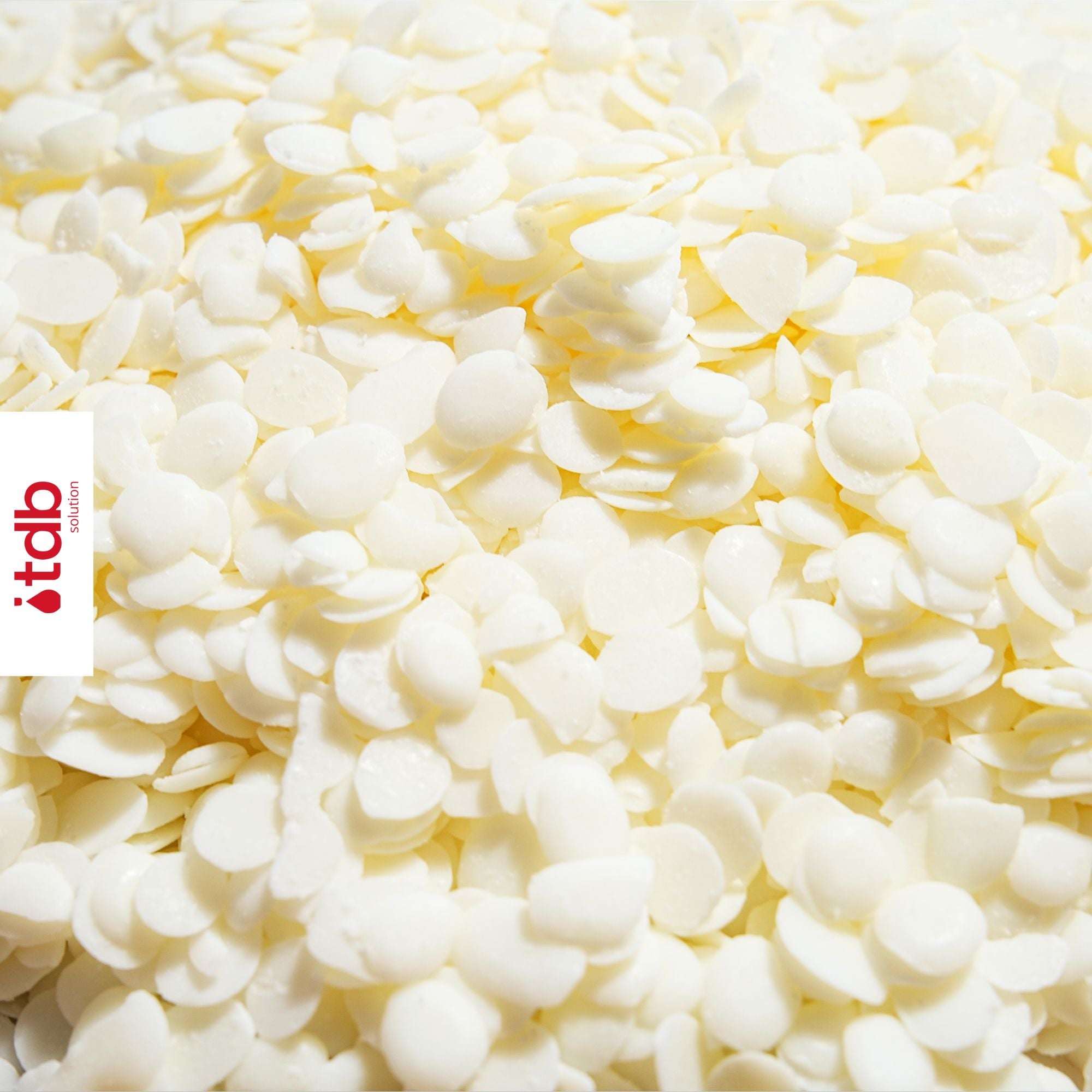


Increasingly popular with artisans and enthusiasts of natural creations, rapeseed wax is becoming an essential material for making beautiful, high-performance, and environmentally friendly candles . Derived from rapeseed oil, it is 100% plant-based, biodegradable, and primarily produced in Europe, which significantly reduces its carbon footprint. GMO-free, palm oil-free, and paraffin-free, it represents a highly sought-after sustainable alternative. However, it is slightly more technical to work with and is particularly suited to creators already familiar with candle making.
If you are a beginner, we recommend working with soy wax.
The origins and production of rapeseed wax
Rapeseed, belonging to the cruciferous family, has been cultivated since antiquity, notably in China. Introduced to Europe in the 18th century, it is now widely grown using sustainable agricultural practices. France is the second largest European producer after Germany. The wax is obtained by hydrogenating the oil, a process that gives it a homogeneous, supple texture perfectly suited to molded candles, container candles, scented wax melts, and cosmetic products.
The advantages of rapeseed wax for candle making
Rapeseed wax is valued for its balance between performance and responsible practices. Its soft texture and high stability make it a preferred choice for high-quality, ethically sourced candles.
A durable and environmentally friendly material
Thanks to its primarily European origin, rapeseed wax promotes short supply chains and reduces transportation. Completely biodegradable, renewable, and plant-based, it aligns with an eco-responsible approach. Rapeseed crops contribute to biodiversity by supporting pollination and are not associated with deforestation.
Slow, clean and stable combustion
Rapeseed wax offers a slow, clean, and virtually soot-free burn. It faithfully reproduces fragrances, is durable, and has a low melting point, making it easy to handle in a double boiler and ensuring a stable flame.
A healthy and non-toxic composition
This wax releases no toxic substances when burned. It is vegan, GMO-free, and not tested on animals. Its use contributes to healthy indoor air free of unwanted residue.
Our main rapeseed wax references
We offer several options suited to a variety of uses. Each formula has its own advantages. This diversity allows you to choose the wax best suited to the desired result and the type of candle you are making.
Rapeseed wax for container candles
Composed of at least 90% hydrogenated rapeseed oil and less than 10% other vegetable waxes to improve crystallization, this wax adheres perfectly to the walls of containers and offers a smooth finish as well as excellent fragrance diffusion.
Rapeseed wax for molded candles and scented wax melts
Its fine texture and soft tint make it an ideal wax for fondant, pebbles, and molded shapes. It releases easily from the mold and allows for clean, precise details.
NatureWax Elite 600 coconut rapeseed wax
Presented in block form, this wax combines the properties of rapeseed and coconut. Creamy and suitable for massage candles, it often requires wider wicks than paraffin wax. It can be easily cut with a knife, and this can be made easier in winter by slightly warming the blade.
Which wicks should be used with rapeseed wax?
Choosing the right wick is essential to unlocking the full potential of rapeseed wax. Its unique density requires careful selection to ensure stable burning and even fragrance diffusion.
Rapeseed wax for molded candles
Flat or round cotton wick reels are ideal. Wooden wicks are also suitable for their natural crackling sound, as are tea light wicks for tealights.
Rapeseed wax for candles in a container
Compatible with a wide range of wicks: TCR, ECO, STABILO, and LX series; wooden wicks; flat or round cotton wicks; and tea light wicks for tea lights. Since rapeseed wax is dense, it is often necessary to choose a slightly thicker wick than for paraffin wax. Testing is essential to adjust the flame, wax pool, and burn consistency.
Melting points according to waxes
Rapeseed wax has a fairly low melting point, which makes it particularly easy to work with. It heats up faster, melts more easily, and can be worked without requiring high temperatures.
- Rapeseed wax for containers: 52°C to 56°C
- Rapeseed wax for molded and meltable waxes: 57°C to 61°C
- NatureWax Elite 600 rapeseed and coconut wax: 20°C to 55°C
Rapeseed wax coloring
Rapeseed wax takes dyes very well, offering pastel and natural colors. Add the dye at around 70°C, before the fragrance, for a uniform result.
- Granulated colorants: 5%
- Liquid colorants: 2%
Adding 5% stearin further improves color uniformity.
Preserve rapeseed wax
Store at room temperature, away from light, heat, and humidity. Keep in an airtight container to prevent drying out or external contamination.
Conclusion
Choosing rapeseed wax means opting for a reliable, healthy, and sustainable base for beautiful and high-performing candles. Selecting the right wicks, mastering melting points, colors, and fragrance concentrations, along with regular testing, guarantees stable burning and successful creations. When properly stored, this vegetable wax will last a long time in your creative and responsible projects.
If you’re new to making candles and scented wax melts, it’s best to start with soy wax or olive wax, as they are more malleable and easier to work with.
Discover the benefits of olive wax and how to use it.


